The Long Middle
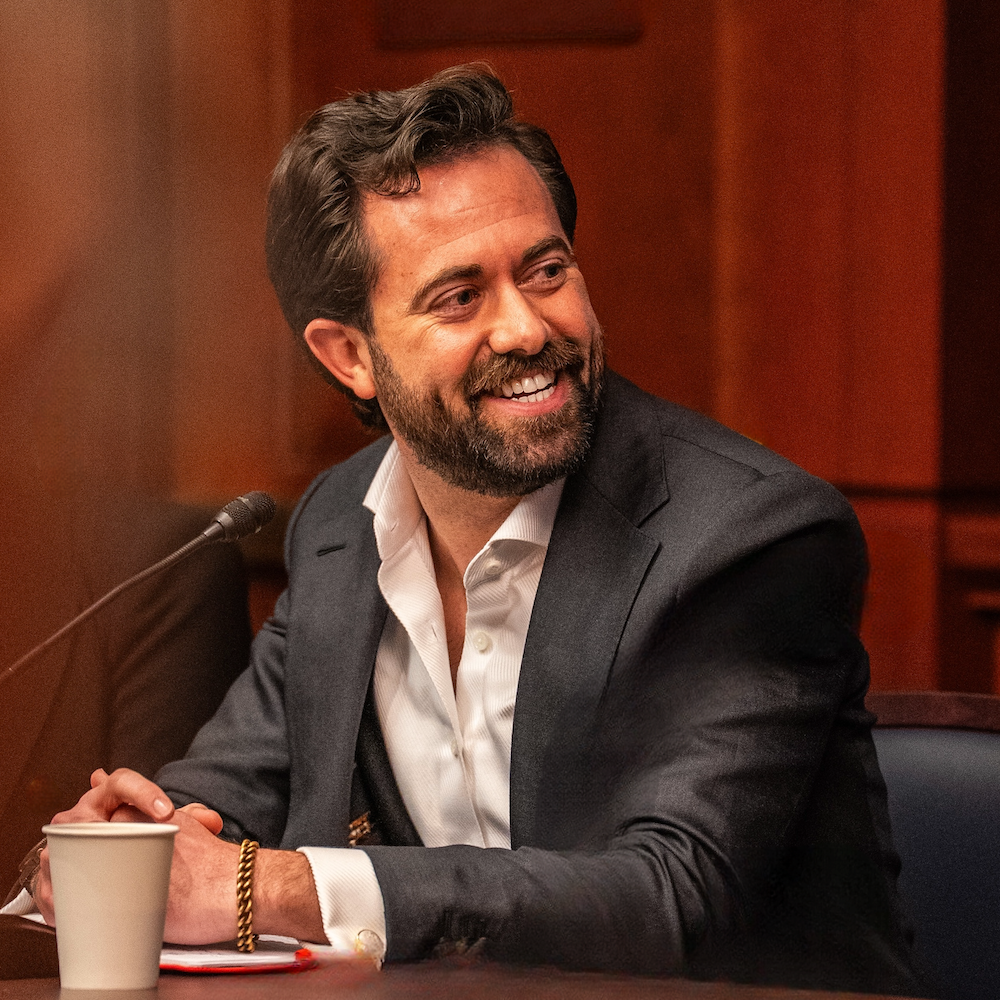
This post is written by Chase Murdock.
Chase Murdock is an operator, investor, and advisor focused on long-term work: building enduring businesses, exercising judgment, and supporting leaders who take responsibility seriously.
He is the CEO of Decada Group, a long-term holding company that acquires and permanently stewards businesses in Utah. Alongside his longtime friend and co-founder Adam Malmborg, Chase takes a long view to ownership, favoring craftsmanship, strong fundamentals, and continuity over speed or financial engineering.
Tailor Cooperative, one of my companies, turned ten a few months ago. My longtime friend Adam and I started it with $750 and no outside capital. I let the date pass without saying much, because ten years is a long time to do anything and I wanted to know what I thought before I said it.
I also run Durable now, so I spend some of my days with owners who are somewhere in the middle of building — past the launch, nowhere near any finish line. Ten years on, the thing I most want to hand them is a truer picture of the road itself. We took the opposite one from where most owners are pointed, and I’ve come to think most of them don’t know it’s there. If you’re three or four years into building something, this is the letter I wish someone had handed me at year three.
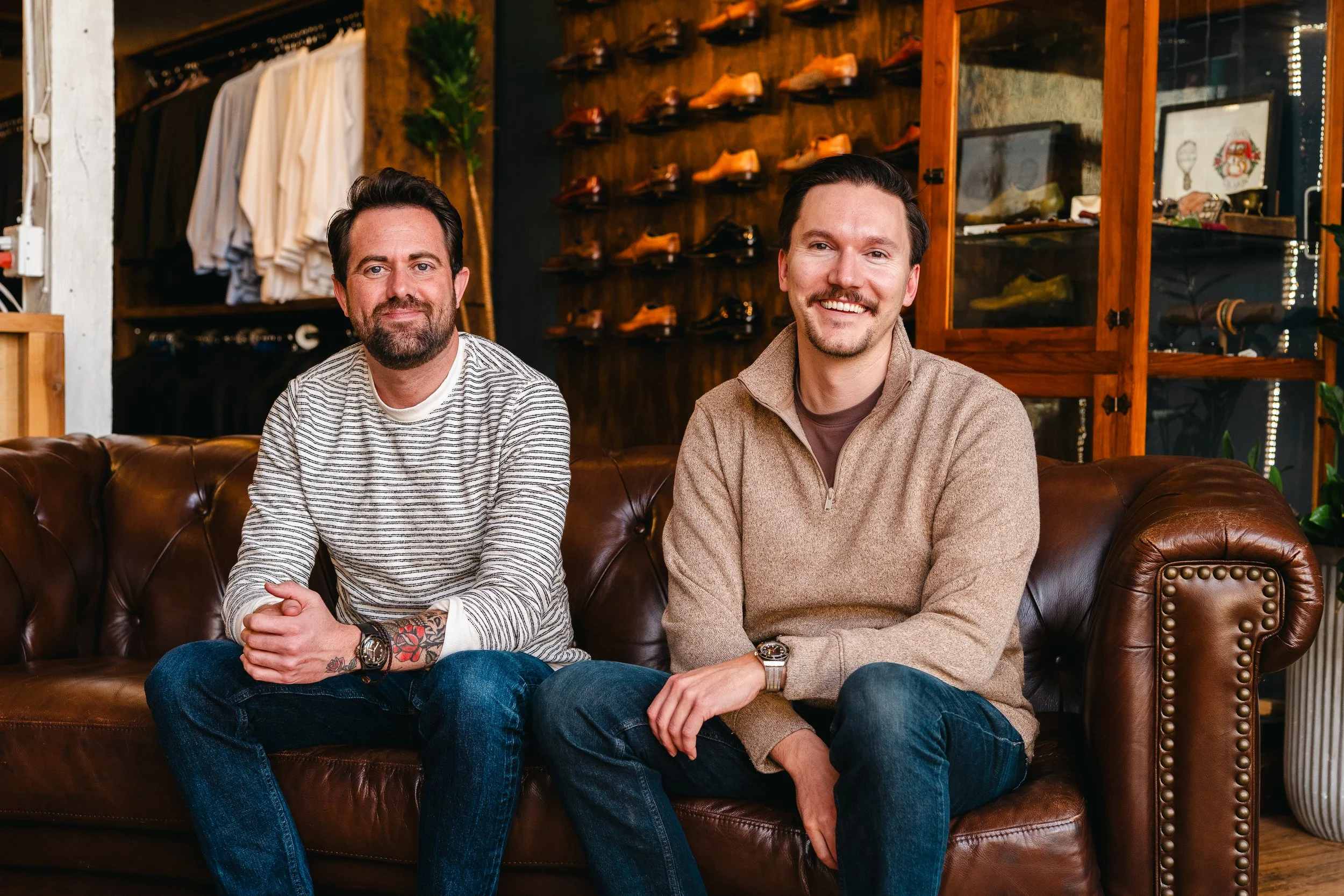
Chase and Adam in the early Tailor Cooperative shop.
Utah’s Long Game
Look closely at the companies Utah is proudest of and you keep finding the same buried first chapter.
Ryan Smith co-founded Qualtrics in 2002 with his brother Jared, his father Scott, and Stuart Orgill, in the basement of the family home in Provo. For the next ten years they built without outside capital. No venture rounds. No investor clock. When they finally raised $70 million from Sequoia and Accel in 2012, they did it from a position of strength, on their own terms, and after turning down a $500 million offer to sell. Smith has called it a seventeen-year overnight success. SAP paid $8 billion six years later.
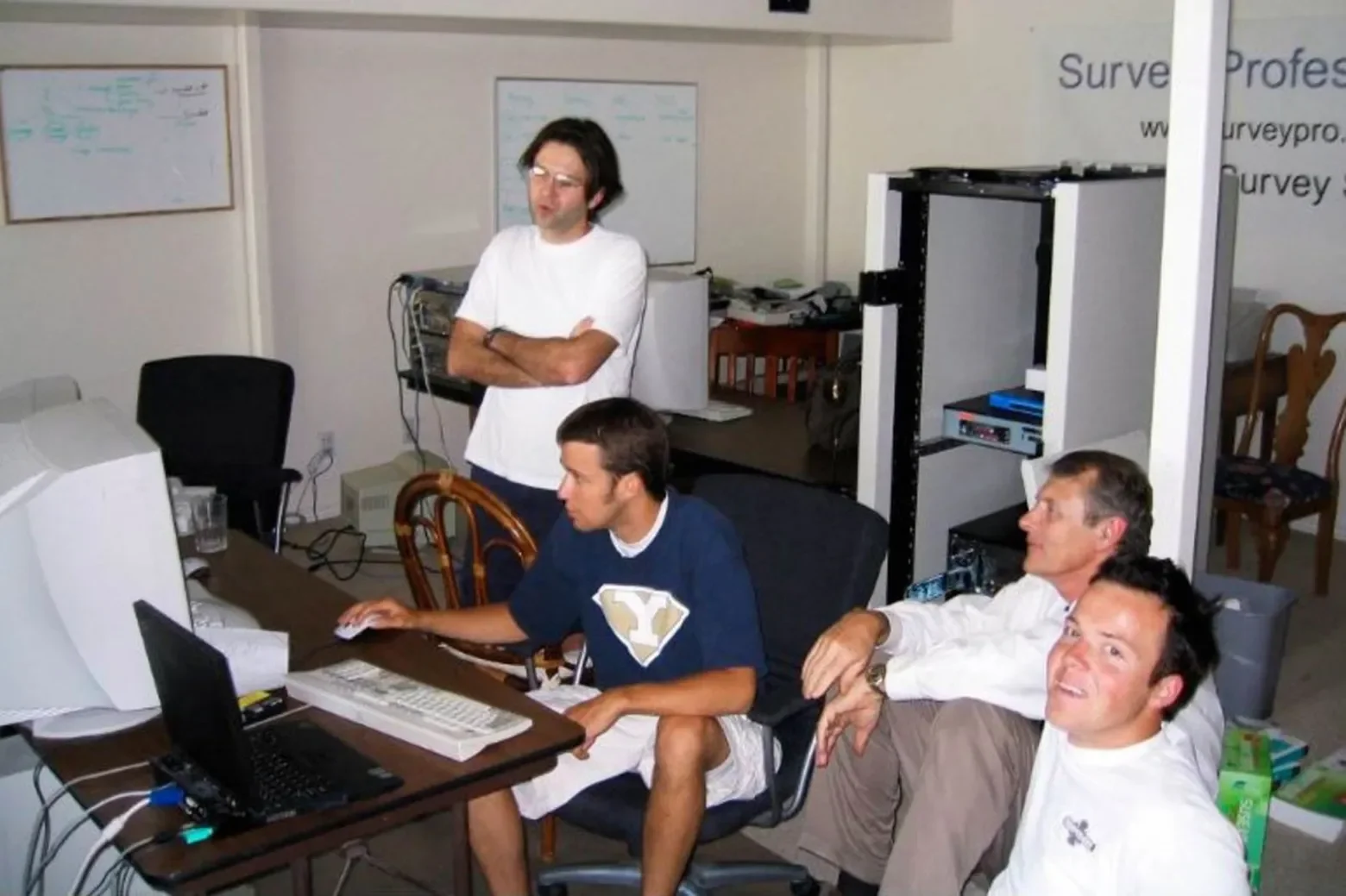
The Smith Family basement, 2002. Image courtesy Qualtrics.
Qualtrics took the fast road. They just took it a decade late, and by then they were the ones setting the terms. That’s what the first ten years bought them. LVT started in Ryan Porter’s garage in 2005. “This is a bootstraps company,” Porter said. “At first it was just me and Bob.” They ran profitably without outside capital for fifteen years, until Lead Edge and Sorenson invested in 2020. Today they supply Fortune 100 companies.

An early LVT surveillance unit on a construction site. Image courtesy LVT.
Utah has more builders like this than the headlines suggest. We just don’t celebrate them the way we celebrate the ones who raised fast, so owners grow up believing there’s only one road. Bo Burlingham named the other one twenty years ago in Small Giants: companies that chose to be great instead of big, built on their own terms rather than the market’s. His subjects had one thing in common. They knew they had a choice. Fast and big is a definition of a great company. It isn’t the definition.
What it Costs
The decade that builds a company is expensive, and the bills come due long before any recognition does.
Owners get paid last. In the early years at TC, that sometimes meant skipping ourselves on payroll entirely. That’s just how it goes. The slow road comes with no financial cushion, and the building feels like a slog for longer than you’d like.
The fast-growing shop across town gets the attention you don’t. It takes out the billboards. It lands the talent that wants to work for the next hot thing, and it gets the press and the keynote slots. The energy is visible and contagious. Meanwhile you pass on the deal that looked good in this year’s market but wouldn’t hold up against a longer horizon, you lose the candidate to the company with more noise, and you sit through stretches slow to the point of boring.
For most of the last fifteen years, capital was cheap enough that speed looked like strategy. A generation of companies grew fast because the environment paid them to. When that ended and capital got expensive, many of them discovered they’d been built for a world that no longer existed. The billboards came down. The headcounts reversed.
The slow road is harder to start. It’s also harder to kill.
The Long Middle
You want to know when the work starts to get good. You expect the answer to be year one or two.
It isn’t.
The early years are mostly correction. The wrong hire, the wrong read on the market, the wrong bet on what would hold. Progress is invisible, like interest accumulating before it compounds. You’re in year three, the scoreboard hasn’t moved, and the honest question keeping you up is whether the slowness is the strategy working or the business dying.
Here’s the part nobody writes down: you can tell the two apart.
Real compounding has a signature. Customers come back more often without you chasing them. Your reputation starts arriving in the room before you do: a referral you didn’t ask for, a call from someone who “heard about you.” The decisions that took you a week two years ago now take an afternoon, because you’ve seen the pattern before. Good people stay, and they get better in place instead of leaving to get better somewhere else. None of it shows up on a two-year balance sheet, but you can feel it changing under you.
A dead business is slow in a different way. Nothing moves, including the things that should. Customers don’t return and you can’t say why. The same problems recur with the same intensity. You’re not getting faster at them, you’re just getting used to them. Referrals never come. When the quiet holds no forward motion of any kind, it deserves a harder look than reassurance.
The difference matters because both feel like a slog from the inside. The productive one is a slog with a current under it. The other is just still water. Learn to feel for the current.
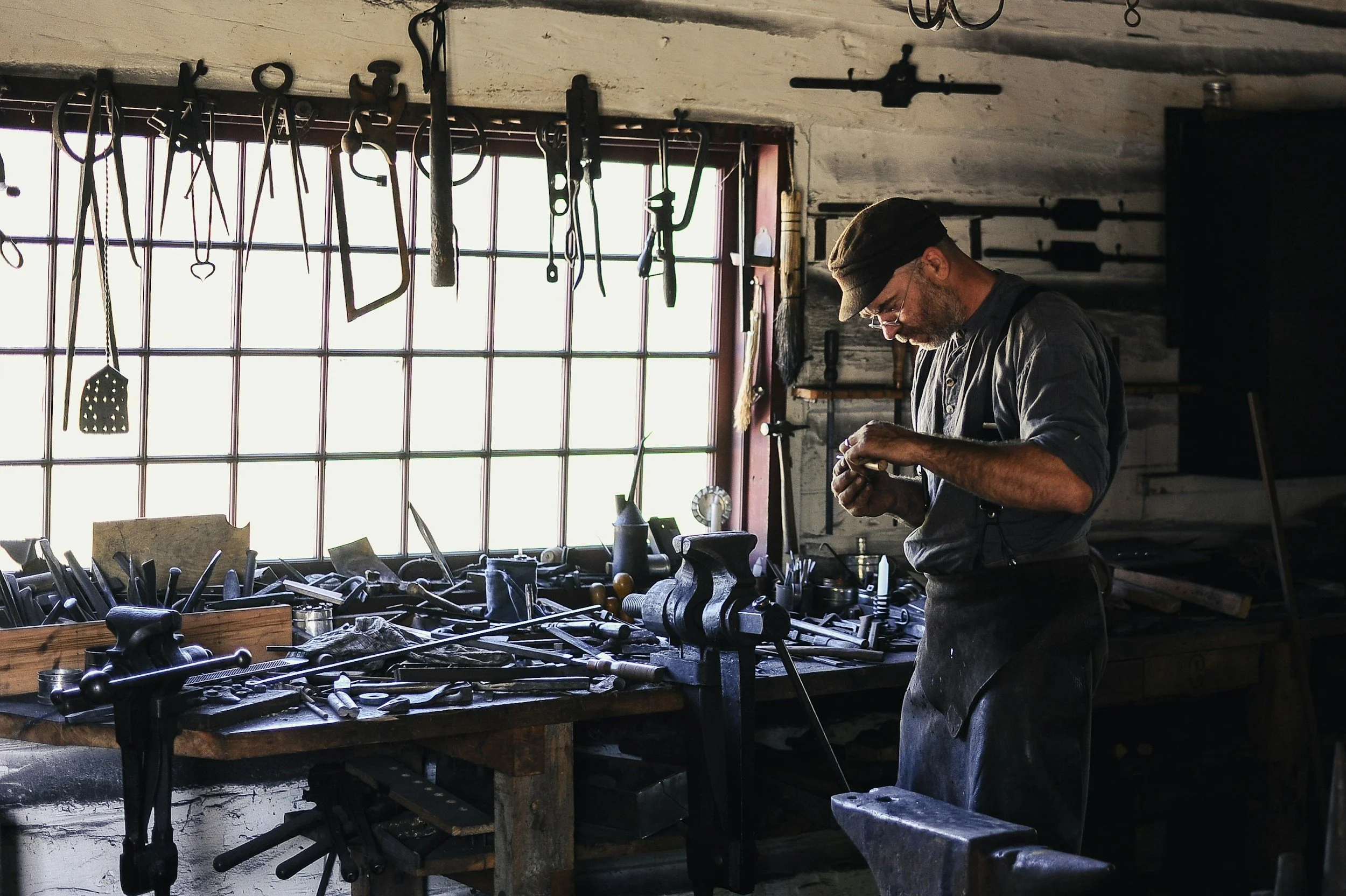
When the current is there, ten years is when the nature of the business changes. Early decisions have hardened into structure. Patterns hold. The business becomes something you couldn’t have designed at the start, because at the start you couldn’t have known what mattered. You only learn that by staying long enough to find out.
The Exit Trap
Just as that begins to pay, most owners start optimizing for an exit. Or they step away.
Nothing has gone wrong. The business has simply become unremarkable. Boring. The early urgency is gone, and urgency was the thing you were addicted to. Watch for that in yourself. The restlessness that shows up right when things get good is rarely a signal about the business. It’s usually a signal about you.
If you took outside money, the pressure is structural too. The ones that reach a real crescendo rarely get there before year seven or eight, which is roughly when a ten-year fund starts looking for the door. You can end up pushed toward an exit you wouldn’t have chosen, at the exact moment the economics, the team, and the business are finally maturing.
The trap isn’t the money. It’s that boredom and success arrive at the same time, and only one of them announces itself.
What Patience Makes Possible
TC didn’t just survive that stretch. It proved something: a small business, built patiently in one community, can generate real returns without outside capital or a forced timeline. That proof is what let us keep building, and it’s the same proof available to you, whatever you’re making. The reward for staying isn’t a single dramatic moment. It’s that you get to keep playing.
The Choice
You can build for speed or you can build for decades. Most owners don’t know they get to choose, because most of what you read, most of the capital available to you, and most of the culture around you points one direction. The other direction has always been there. It just doesn’t advertise.
So if you’re somewhere in the long middle — in the unglamorous years between starting and paying off, when nothing on the scoreboard moves and the building feels like a slog — check for the current first. If it’s there, you’re not behind. You’re early, and early is the hardest part to sit through.
The slow road asks you to keep building through the years that feel like nothing. Those are the years doing the most. Stay on it long enough and you’ll get the one reward the fast road can’t promise: the business you couldn’t have designed at the start, and the choice to keep building it on your own terms.