
Why Your Business Isn’t Getting Media Coverage (And How to Fix It)
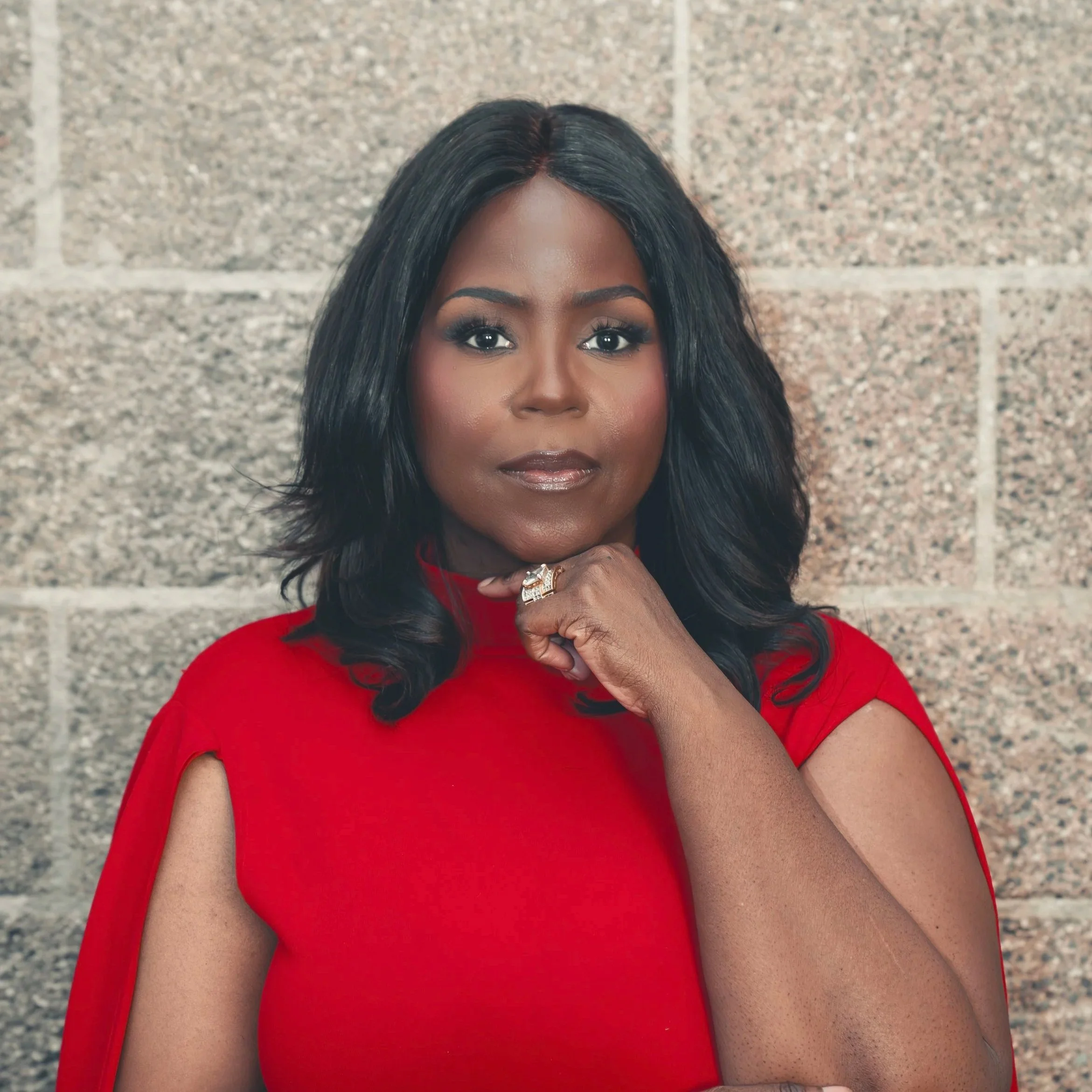
This post is written by Tunisha Brown.
Tunisha Brown is an innovative and results-driven media powerhouse, serving as the Founder and Editor-in-Chief of IMPACT Magazine.
Most founders think editors want to hear about good businesses.
They don’t.
They want to hear about newsworthy businesses.
There’s a difference.
A good business has strong revenue, loyal customers, and a compelling mission. A newsworthy business has all of that plus a reason for someone to care right now.
Editors at top-tier publications receive hundreds of pitches per week. Most get ignored. Not because the businesses aren’t legitimate, but because the pitches don’t answer the fundamental question every editor asks before assigning a story:
Why does this matter today?
If you can’t answer that question in one sentence, your pitch won’t make it past the subject line.
Here’s what editors actually look for when deciding whether to cover a business.
Newsworthiness: Why Does This Matter Now?
Editors don’t cover businesses because they exist. They cover businesses because something just happened.
A launch. A funding round. A partnership. A milestone. A controversy. A pivot. A shutdown.
The business itself might be five years old. But if nothing new is happening, there’s no story.
Newsworthiness is about timing. It’s about relevance. It’s about connecting a business to a larger conversation already happening in the culture, the economy, or the industry.
Examples of newsworthy moments:
A local bakery that survived the pandemic now trains formerly incarcerated women, filling a workforce gap in a tight labor market.
A tech startup that couldn’t secure venture capital funding just hit $5 million in revenue: bootstrapped and profitable.
A worker-owned co-op in a city where service workers can’t afford rent is proving that alternative business models can work at scale.
These aren’t just businesses operating. These are businesses that illustrate something larger: economic resilience, funding inequity, labor market shifts, alternative ownership models. That’s what makes them news.
If your pitch doesn’t tie your business to a current trend, policy change, economic shift, or cultural moment, editors won’t cover it. Not because it’s not valuable. Because it’s not timely.

IMPACT: Who Is Affected, And What Changed?
Every founder says their business has impact.
Editors want proof.
Impact is not a feeling. It’s not a mission statement. It’s not a tagline on your website.
Impact is measurable. Specific. Verifiable.
Editors want to know:
Who is affected? Not “people” or “communities.”
Which people? Which communities? Be specific.
How many people are affected? Not “a lot” or “growing.” How many? Give a number.
What changed because this business exists? Not “we help people.” What measurably shifted? What would be different if you weren’t here?
Is it replicable? Does this business model represent a trend others can follow?
Examples of quantifiable impact:
This company employs 50 people in a town where the unemployment rate is 12 percent.
This app has been downloaded 500,000 times and is used by 40 percent of college students in the Midwest.
This consulting firm helped 200 Black-owned businesses secure $10 million in contracts last year.
This platform processed $50 million in transactions for micro-businesses in underserved neighborhoods.
These are not vague claims. These are facts an editor can verify.
If you can’t quantify your impact, editors won’t cover it. Not because they don’t believe you’re doing good work. Because they can’t fact-check it.
Longevity: How Long Have You Been Operating?
Editors are skeptical of new businesses.
Not because new businesses can’t succeed.
Because most don’t.
If your business is less than a year old, you’re not getting covered unless you have massive funding, a famous founder, or viral traction.
If your business is one to three years old, you need proof of concept. Revenue. Customers. Measurable impact. Partnerships. Awards. Data.
If your business is three to five years old, you’ve proven you can survive. Now the question is: are you scaling?
If your business is five to ten years old, editors want to know: Why now? What’s changed? What milestone did you just hit? What trend are you exemplifying?
If your business is ten years or older, editors want to know: What makes you relevant today? Are you adapting to new market conditions? Are you a case study for resilience?
Longevity alone is not a story.
Longevity plus relevance to a current moment is a story.
A company that has been in business for 15 years is not news. A company that survived the 2008 crash and is now navigating tariffs, offering a blueprint for small manufacturers, is news.
The question is not how long you’ve been operating. The question is what you’ve learned, what you’ve built, and why it matters now.
Differentiation: What Makes This Business Unique?
Editors ask: What does this business do that no one else does, or does differently enough to matter?
If your answer is “we offer great customer service” or “we’re passionate about what we do,” you’re not getting covered.
Everyone offers great customer service. Everyone is passionate.
Differentiation is about structure. Strategy. Model. Market.
Business model innovation: You charge differently, distribute differently, operate differently. Subscription instead of one-time purchase. Direct-to-consumer instead of wholesale. Worker-owned co-op instead of traditional corporate structure.
Market gap: You serve an underserved population, geography, or need that competitors ignore.
Product or service innovation: Your offering is genuinely new or solves a problem in a new way.
Founder story: Your background, identity, or experience gives you unique insight or access.
Examples of differentiation that editors cover:
This is the only Black woman-owned investment firm focused exclusively on climate tech.
This platform is the first to allow gig workers to collectively negotiate rates.
This grocery store operates on a pay-what-you-can model in a food desert.
These businesses aren’t just operating. They’re doing something that challenges norms, fills gaps, or operates differently enough to be instructive.
If your business looks like every other business in your industry, editors won’t cover it. Not because you’re not good at what you do. Because there’s nothing new to report.
Data: Editors Need Proof, Not Claims
Editors don’t take your word for it.
They verify.
If you say you’ve served 10,000 customers, they’ll ask for proof. If you say you raised $2 million, they’ll check. If you say you partnered with a major organization, they’ll contact that organization to confirm.
Editors need evidence. Not adjectives. Evidence.
What editors want to see:
Revenue or growth metrics. “We grew 300 percent year over year” or “We’re on track to hit $5 million in revenue this year.”
Customer or user metrics. “We’ve served 10,000 customers” or “Our retention rate is 90 percent.”
Market size or opportunity. “We’re operating in a $2 billion market” or “Our target demographic is 15 million people.”
Funding or investment. “We raised $2 million in seed funding” or “We’re bootstrapped and profitable.”
Partnerships. “We partnered with the Urban League to place 200 job seekers.”
Awards or recognition. “We were named to Forbes’ Next 1000” or “We won the Small Business Administration’s Emerging Business of the Year award.”
Press coverage. “We were featured in TechCrunch” or “We were profiled in the Wall Street Journal.”
Editors want numbers. Not descriptions.
Not “we’re growing fast.” “We grew from 500 to 5,000 users in six months.”
Not “we have strong partnerships.” “We partnered with the Urban League to place 200 job seekers.”
If you can’t prove it, don’t claim it.
Founder Story: Only If It’s Relevant
Editors care about founder stories when the founder’s lived experience directly informs the business.
A formerly incarcerated person building a reentry program. A cancer survivor building a patient advocacy platform. An immigrant building a remittance app.
Editors care about founder stories when the founder represents a trend.
A Gen Z founder building for Gen Z. A boomer founder pivoting after a corporate layoff. A woman founder in a male-dominated industry.
Editors care about founder stories when the founder’s journey illustrates a larger structural issue.
A Black woman founder who couldn’t access venture capital funding so built a profitable bootstrapped business. A disabled founder whose product redesigns accessibility standards.
What editors don’t care about: generic struggle narratives. Founder bios that read like LinkedIn profiles. Founder stories disconnected from the business’s differentiation.
Being a Black-owned or woman-owned business is not a story by itself. What you’re doing with that lived experience, what access or insight it gives you, what structural barriers you’re navigating or dismantling, that’s a story.
Identity informs the work. The work is the story.
Timing: Why Is This Story Relevant Now?
Every story needs a hook.
A reason to cover it today instead of six months from now or six months ago.
Milestones: Hitting $1 million in revenue. Opening a 10th location. Serving a 10,000th customer. Celebrating a 10-year anniversary.
Launches: New product. New service. New location. New partnership.
Funding: Seed round. Series A. Grant. Major investor.
Trend tie-ins: Your business exemplifies a trend editors are already covering. Labor shortages. AI adoption. Economic resilience.
Seasonal or timely moments: Back-to-school. Holiday shopping. Tax season. Graduation. Summer hiring.
Crisis response: How your business adapted to the pandemic, inflation, supply chain issues, economic downturn.
If you pitch a story without a hook, editors will ask: Why now?
If you can’t answer that question, the story won’t get assigned.
Not “we’ve been in business for five years.”
“We just opened our fifth location in a retail district where three other businesses closed this year.”
That’s a hook.
The Editor’s Checklist
When an editor receives a pitch, they ask:
Is this news? Did something just happen? Is there a timely hook?
Is this relevant? Does this tie to a trend, issue, or conversation our readers care about?
Is this credible? Can we verify the claims? Does the source have proof?
Is this differentiated? What makes this unique? Why not cover a competitor instead?
Is this scalable? Does this represent a trend? Can other businesses replicate this?
Is this visual? Can we photograph or film this? Are there human subjects?
Is this audience-appropriate? Do our readers care? Does this fit our editorial focus?
If the answer to four or more of these questions is yes, the editor assigns the story.
If the answer to two or fewer is yes, the pitch is rejected
Most pitches get rejected not because the business isn’t legitimate, but because the pitch doesn’t answer these questions.
What This Means For Founders
If you want coverage, don’t pitch your business.
Pitch the news about your business.
Not “we’re a great company with a compelling mission.”
Instead: “We just hit $5 million in revenue, bootstrapped and profitable, in an industry where Black women founders receive less than 1 percent of venture capital funding.”
Not “we’ve been in business for 10 years.”
Instead: “We survived the 2008 crash, the pandemic, and now inflation; here’s what we learned about building a recession-proof business model.”
Not “we help people.”
Instead: “We’ve placed 300 formerly incarcerated individuals in jobs with 85 percent retention after one year, in a labor market where employers say they can’t find workers.”
Editors aren’t looking for businesses to celebrate.
They’re looking for businesses that illustrate something larger.
A trend. A shift. A gap. A solution. A structural issue.
Because it’s not news.